

The Importance of Mental Health in Children
Introduction
Mental health is a crucial aspect of overall well-being, and this holds true for individuals of all ages. However, it is especially important to pay attention to the mental health of children. Childhood is a critical period for cognitive, emotional, and social development, and any issues related to mental health can have a lasting impact on their future.
The Prevalence of Mental Health Issues Among Children
In recent years, there has been a growing recognition of mental health issues among children. According to the World Health Organization (WHO), approximately 10-20% of children and adolescents worldwide experience mental health disorders. These disorders can manifest in various forms, including anxiety, depression, attention-deficit/hyperactivity disorder (ADHD), and behavioral problems.
It is important to note that mental health issues in children are not solely a result of genetic factors. Environmental factors, such as family dynamics, school environment, and exposure to trauma or stress, can also significantly contribute to the development of mental health disorders.
The Impact of Mental Health on Children
Poor mental health can have a profound impact on a child’s life and overall well-being. It can affect their cognitive abilities, emotional regulation, social interactions, and academic performance. Children with mental health issues may struggle with concentration, problem-solving, and decision-making, leading to difficulties in school and other areas of life.
Moreover, untreated mental health problems in childhood can persist into adulthood and increase the risk of developing more severe mental health disorders later in life. Early intervention and support are crucial to prevent long-term negative consequences.
Signs and Symptoms of Mental Health Issues in Children
Recognizing the signs and symptoms of mental health issues in children is essential for early detection and intervention. Some common indicators include:
- Changes in behavior, such as irritability, aggression, or withdrawal
- Difficulty sleeping or experiencing nightmares
- Changes in appetite or weight
- Loss of interest in previously enjoyed activities
- Difficulty concentrating or declining academic performance
- Frequent physical complaints, such as headaches or stomachaches
If you notice any of these signs persisting for an extended period, it is crucial to seek professional help from a mental health provider who specializes in working with children.
Promoting Positive Mental Health in Children
There are several strategies that parents, caregivers, and educators can implement to promote positive mental health in children:
- Encourage open communication and create a safe space for children to express their feelings and concerns.
- Teach and model healthy coping strategies, such as deep breathing exercises, mindfulness, and engaging in physical activity.
- Establish consistent routines and provide a structured environment, as this can help children feel secure and reduce anxiety.
- Promote healthy lifestyle habits, including regular exercise, nutritious meals, and adequate sleep.
- Teach problem-solving and resilience skills to help children navigate challenges and setbacks.
- Encourage social connections and foster positive relationships with peers and family members.
The Role of Schools and Communities
Schools and communities play a vital role in supporting children’s mental health. It is essential for schools to have comprehensive mental health programs in place, including access to school counselors or psychologists. Educators should also receive training on recognizing and addressing mental health issues in the classroom.
Communities can contribute by reducing the stigma surrounding mental health and providing resources and support for families. Collaboration between schools, healthcare providers, and community organizations can help create a holistic support system for children.
Conclusion
Investing in the mental health of children is crucial for their overall well-being and future success. By recognizing the signs, promoting positive mental health, and providing early intervention, we can help children develop the resilience and coping skills necessary to navigate life’s challenges.
Remember, mental health matters, and every child deserves the opportunity to thrive.
Learn More
Suicide Prevention: Understanding and Taking Action
When it comes to suicide prevention, knowledge and action are key aspects. Suicide is a serious public health issue that affects individuals, families, and communities worldwide. It is important to understand the signs and risk factors associated with suicide, as well as the steps we can take to prevent it.
One of the most important things we can do is to be aware of the warning signs of suicide. These can include talking about wanting to die or feeling hopeless, withdrawing from friends and family, giving away belongings, or displaying sudden changes in mood or behavior. If you notice any of these signs in yourself or someone you know, it is crucial to take them seriously and seek help.
Preventing suicide requires a multi-faceted approach. It involves creating a supportive environment, promoting mental health and well-being, and providing access to effective treatment and support services. It is important to reach out to those who may be struggling and offer them a listening ear, empathy, and resources for help.
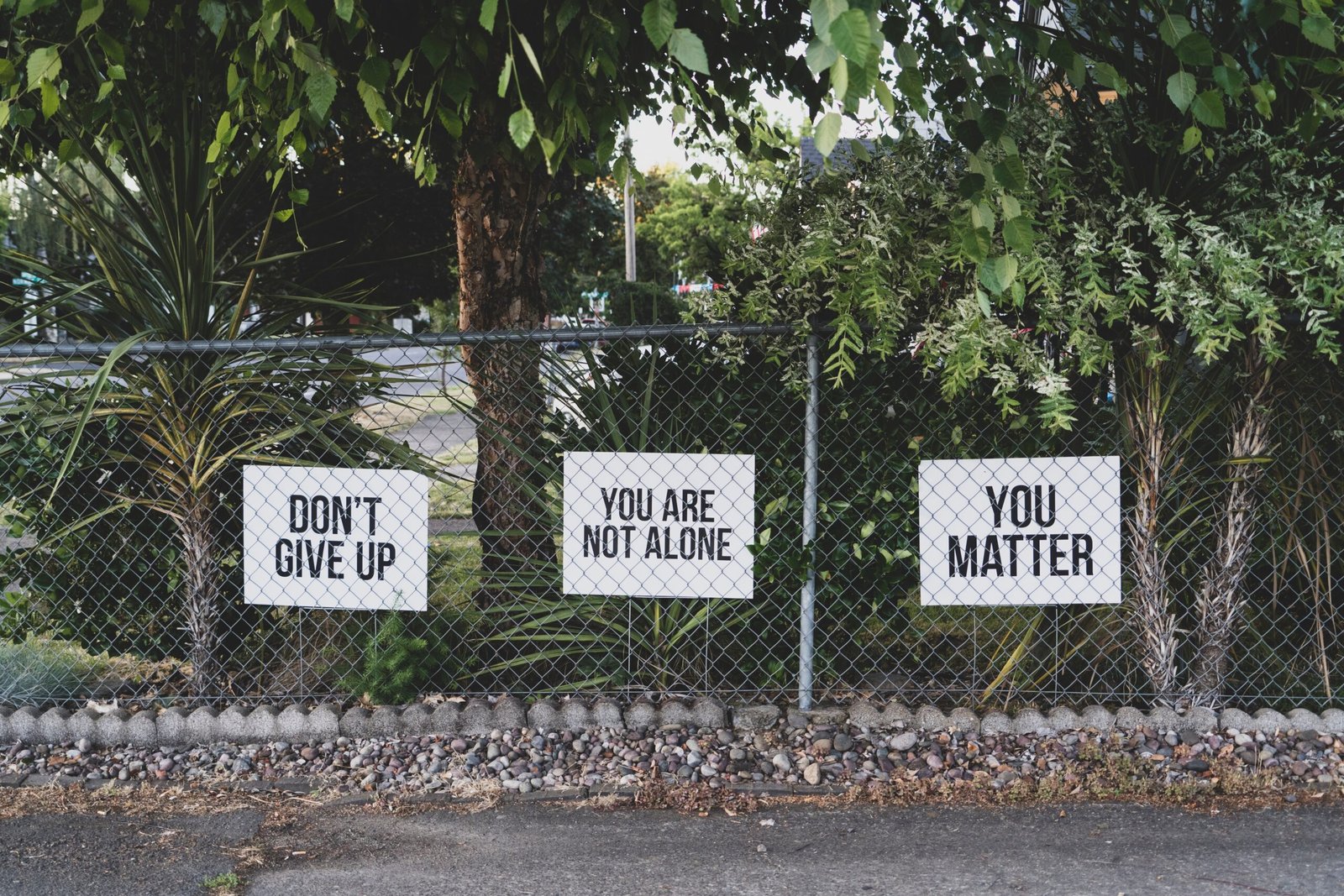
If you or someone you know is in crisis, it is important to seek immediate help. There are several helpline numbers and crisis intervention services available that can provide support and guidance. Remember, you are not alone, and there is help available.
- Take Water. Just try to recollect the beautiful moments in your life.
- Just bring the image of those who truly love you in your visualization. Think about them.
- Think about your good friends in large.
- Talk to your doctor or with anyone who is nearby. Share your feelings.
- Think about your Dreams and desires for a second.
- Listen to the videos given at the end of this write up.
- Please get in touch with anyone of these numbers which is nearer to you or helpful to you.
| LOCATION | ORGANISATION | NUMBER | HOURS OF OPERATION |
| ALL-INDIA | GOVT MH Rehabilitation HELPLINE ‘KIRAN’ | 1800-5990019 | 24/7 |
| ALL-INDIA | VANDREVALA FOUNDATION | 9999 666 555 | 24 by 7/ |
| E: help@vandrevalafoundation.com if you don’t get through and expect a call-back | |||
| BANGALORE | SAHAI | 080-25497777 | Monday – Saturday 10 AM to 5:30PM |
| CHENNAI | SNEHA | 044 2464 0050 | Daily: 8 AM to 10 PM |
| E: help@snehaindia.org | |||
| DELHI | SANJIVINI SOCIETY FOR MENTAL HEALTH | 01140769002, 01141092787 | Daily: 10 AM to 4 PM |
| 01124311918, 01124318883, 01143001456 | |||
| GANGTOK | SIKKIM HELPLINE NUMBER | 1800-3453225 | 24/7 |
| HYDERABAD | ONE LIFE | 78930 78930 | 24/7 |
| KOLKATA | |||
| LIFELINE FOUNDATION | +91 9088030303, 03340447437 | Daily 10 AM to 10 PM / Caters to pan-India calls | |
| E: contact@lifelinefoundation.in | |||
| Site: www.lifelinefoundation.in | |||
| MUMBAI | |||
| SAMARITANS | 84229 84528, 84229 84529, 84229 84530 | Daily 5 PM to 8 PM | |
| E: talk2samaritans@gmail.com |

Am I Depressed? 6 Signs You Should Know About
- You’ve been feeling low or irritable for most of the day, every day for two weeks or more. You might have found yourself worrying about past or future events for long periods of time, or simply feeling sad, cross or tearful. Sometimes it’s hard to recognize a gradual change – have others noticed that you don’t seem your usual self?
- You’ve lost interest in activities that you used to enjoy. Perhaps you have been seeing less of your friends or family recently, have stopped going to the gym, or cooking balanced meals. This is really about recognizing changes in what’s normal for you – no one is saying you have to exercise five times a week or eat your greens, but changes in your routine can offer concrete indications that your mood is changing.
- You are struggling to concentrate. You might notice that you struggle to focus when reading or watching television, for example, or to follow the thread of a spoken conversation. This could be affecting your performance at work, or limiting your ability to perform routine tasks such as food shopping. Again, we are looking for a change in what’s normal for you, so if concentration has always been something you find tricky there is little cause for concern.

In three words I can sum up everything I’ve learned about life: it goes on.
– Robert Frost

How to Talk About Your Mental Health
- You’ve been feeling low or irritable for most of the day, every day for two weeks or more. You might have found yourself worrying about past or future events for long periods of time, or simply feeling sad, cross or tearful. Sometimes it’s hard to recognize a gradual change – have others noticed that you don’t seem your usual self?
- You’ve lost interest in activities that you used to enjoy. Perhaps you have been seeing less of your friends or family recently, have stopped going to the gym, or cooking balanced meals. This is really about recognizing changes in what’s normal for you – no one is saying you have to exercise five times a week or eat your greens, but changes in your routine can offer concrete indications that your mood is changing.
- You are struggling to concentrate. You might notice that you struggle to focus when reading or watching television, for example, or to follow the thread of a spoken conversation. This could be affecting your performance at work, or limiting your ability to perform routine tasks such as food shopping. Again, we are looking for a change in what’s normal for you, so if concentration has always been something you find tricky there is little cause for concern.
In three words I can sum up everything I’ve learned about life: it goes on.
– Robert Frost
Antidepressant Medications: What are they?
- You’ve been feeling low or irritable for most of the day, every day for two weeks or more. You might have found yourself worrying about past or future events for long periods of time, or simply feeling sad, cross or tearful. Sometimes it’s hard to recognize a gradual change – have others noticed that you don’t seem your usual self?
- You’ve lost interest in activities that you used to enjoy. Perhaps you have been seeing less of your friends or family recently, have stopped going to the gym, or cooking balanced meals. This is really about recognizing changes in what’s normal for you – no one is saying you have to exercise five times a week or eat your greens, but changes in your routine can offer concrete indications that your mood is changing.
- You are struggling to concentrate. You might notice that you struggle to focus when reading or watching television, for example, or to follow the thread of a spoken conversation. This could be affecting your performance at work, or limiting your ability to perform routine tasks such as food shopping. Again, we are looking for a change in what’s normal for you, so if concentration has always been something you find tricky there is little cause for concern.
In three words I can sum up everything I’ve learned about life: it goes on.
– Robert Frost
In three words I can sum up everything I've learned about life: it goes on.
Depression: Which Therapy is Right for Me?
- You’ve been feeling low or irritable for most of the day, every day for two weeks or more. You might have found yourself worrying about past or future events for long periods of time, or simply feeling sad, cross or tearful. Sometimes it’s hard to recognize a gradual change – have others noticed that you don’t seem your usual self?
- You’ve lost interest in activities that you used to enjoy. Perhaps you have been seeing less of your friends or family recently, have stopped going to the gym, or cooking balanced meals. This is really about recognizing changes in what’s normal for you – no one is saying you have to exercise five times a week or eat your greens, but changes in your routine can offer concrete indications that your mood is changing.
- You are struggling to concentrate. You might notice that you struggle to focus when reading or watching television, for example, or to follow the thread of a spoken conversation. This could be affecting your performance at work, or limiting your ability to perform routine tasks such as food shopping. Again, we are looking for a change in what’s normal for you, so if concentration has always been something you find tricky there is little cause for concern.
In three words I can sum up everything I’ve learned about life: it goes on.
– Robert Frost
How Music Affects Our Subconscious
- You’ve been feeling low or irritable for most of the day, every day for two weeks or more. You might have found yourself worrying about past or future events for long periods of time, or simply feeling sad, cross or tearful. Sometimes it’s hard to recognize a gradual change – have others noticed that you don’t seem your usual self?
- You’ve lost interest in activities that you used to enjoy. Perhaps you have been seeing less of your friends or family recently, have stopped going to the gym, or cooking balanced meals. This is really about recognizing changes in what’s normal for you – no one is saying you have to exercise five times a week or eat your greens, but changes in your routine can offer concrete indications that your mood is changing.
- You are struggling to concentrate. You might notice that you struggle to focus when reading or watching television, for example, or to follow the thread of a spoken conversation. This could be affecting your performance at work, or limiting your ability to perform routine tasks such as food shopping. Again, we are looking for a change in what’s normal for you, so if concentration has always been something you find tricky there is little cause for concern.
In three words I can sum up everything I’ve learned about life: it goes on.
– Robert Frost

Depression: Not Just for Girls?
- You’ve been feeling low or irritable for most of the day, every day for two weeks or more. You might have found yourself worrying about past or future events for long periods of time, or simply feeling sad, cross or tearful. Sometimes it’s hard to recognize a gradual change – have others noticed that you don’t seem your usual self?
- You’ve lost interest in activities that you used to enjoy. Perhaps you have been seeing less of your friends or family recently, have stopped going to the gym, or cooking balanced meals. This is really about recognizing changes in what’s normal for you – no one is saying you have to exercise five times a week or eat your greens, but changes in your routine can offer concrete indications that your mood is changing.
- You are struggling to concentrate. You might notice that you struggle to focus when reading or watching television, for example, or to follow the thread of a spoken conversation. This could be affecting your performance at work, or limiting your ability to perform routine tasks such as food shopping. Again, we are looking for a change in what’s normal for you, so if concentration has always been something you find tricky there is little cause for concern.
In three words I can sum up everything I’ve learned about life: it goes on.
– Robert Frost